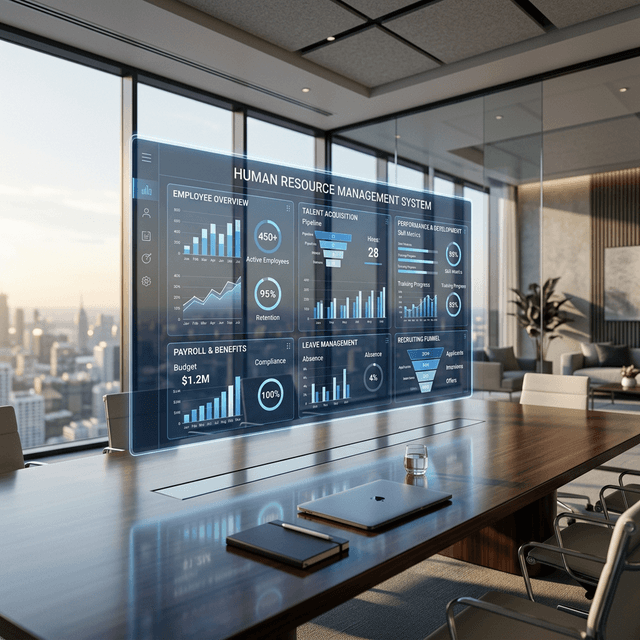
The shift from spreadsheets to an HRMS is not a tooling change, it is an operating-model change. The best systems reduce errors, improve compliance, and give leadership real-time visibility into the workforce.
The Pillars of a Modern HRMS
A good HRMS is more than a database. It becomes the system of record for the entire employee lifecycle: recruiting, onboarding, payroll, leave, performance, and offboarding. Centralization matters because it removes duplicated data entry and the mistakes that come with it.
Modern platforms use a unified data layer. When a candidate becomes an employee, the same profile feeds payroll, benefits, and performance without manual reconciliation. This “single source of truth” is what enables accurate headcount cost decisions.
Lifecycle Velocity
Shorter onboarding cycles via automated documents, approvals, and e-signatures.
Compliance by Design
Policy and regulation enforcement through workflows, audit logs, and controlled access.
Data-Driven Talent Culture
Principle: Culture is shaped by what your systems encourage and make visible.
Self-service is a major unlock. When employees can view leave balances, policies, and performance goals without tickets, HR can shift from “requests” to strategic talent work.
What to Expect Next
The next step is personalization: training recommendations based on performance signals, smarter workforce analytics, and better employee experiences across web and mobile.